



Porcelain Veneers
What are porcelain veneers?
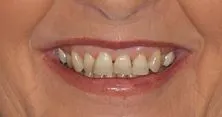
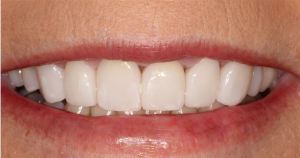
They are thin, custom-made, tooth-colored porcelain shells designed to cover the front surface of teeth to improve their appearance by altering color, shape, size, or length.
They are thin, custom-made, tooth-colored porcelain shells designed to cover the front surface of teeth to improve their appearance by altering color, shape, size, or length.
How long do veneers last?
With proper care, porcelain veneers typically last between 10 and 20 years. While very strong, they may eventually need to be replaced due to normal wear, gum recession, or damage.
With proper care, porcelain veneers typically last between 10 and 20 years. While very strong, they may eventually need to be replaced due to normal wear, gum recession, or damage.
Does the procedure hurt?
The procedure is generally comfortable. Local anesthetic is used during the preparation and placement to prevent pain. Some patients may experience minor sensitivity or tenderness for a few days afterward.
The procedure is generally comfortable. Local anesthetic is used during the preparation and placement to prevent pain. Some patients may experience minor sensitivity or tenderness for a few days afterward.
Are veneers permanent?
Yes, the process is considered irreversible because a small amount of enamel is usually removed to prepare the teeth for the veneers.
Yes, the process is considered irreversible because a small amount of enamel is usually removed to prepare the teeth for the veneers.
Do veneers stain?
Porcelain is stain-resistant, meaning they will not change color like natural teeth. However, the bonding material or the edge of the tooth near the gumline may stain over time.
Porcelain is stain-resistant, meaning they will not change color like natural teeth. However, the bonding material or the edge of the tooth near the gumline may stain over time.
How do I care for them?
Care for them just like your natural teeth by brushing twice a day and flossing daily. It is recommended to wear a nightguard to prevent damage from grinding, especially if you have a history of bruxism.
Care for them just like your natural teeth by brushing twice a day and flossing daily. It is recommended to wear a nightguard to prevent damage from grinding, especially if you have a history of bruxism.
What foods should I avoid?
While you can eat most foods, you should avoid biting into very hard foods (like ice, almonds, or hard candy) with your front teeth to prevent chipping.
While you can eat most foods, you should avoid biting into very hard foods (like ice, almonds, or hard candy) with your front teeth to prevent chipping.
Are veneers covered by insurance?
No, dental veneers are typically considered a cosmetic or elective procedure and are rarely covered by insurance.
No, dental veneers are typically considered a cosmetic or elective procedure and are rarely covered by insurance.